Insights & Stories

Explore insightful articles on lymphatic health, customer testimonials, product innovations, and practical how-to guides in our comprehensive blog. Discover valuable resources to enhance your understanding and management of the Lymphesphere

14 Common Mistakes Everyone Makes When Buying Edema Shoes

Insights & Stories

14 Common Mistakes Everyone Makes When Buying Edema Shoes

on Apr 23, 2020
You want your shoes to be comfortable. You want them to fit your feet well. And if you have trouble with swelling in your feet, you absolutely want to find the best shoes for edema. Too often, however, we struggle with finding the right shoes for edema feet. It can be challenge to find shoes that are comfortable, fit well and meet the right tone for various occasions. This is why we settle on shoes that might not be totally comfortable all of the time. Or we risk embarrassment by wearing comfortable shoes that are not appropriate for various events or activities. Nobody wants to wear shoes that don’t fit. And nobody wants to waste money and time on returning shoes. That’s why it is important to try to find the right edema shoes when you are looking for the best shoes in your situation. It’s easy to understand how you might wind up with the wrong shoes, of course. We all make mistakes. Here are the most common mistakes everyone makes when buying edema shoes. 1. You bought the wrong size Many of us don’t actually know our own shoe size. You might have an idea in your mind about what size shoe you wear, but that doesn’t mean it is actually the correct size. Buying shoes in the wrong size isn’t just a problem with shoes for edema patients. It’s a universal problem. What is most important to note is that you will never wear a single shoe size. Shoe manufacturers have different size guidelines and different styles of shoes fit your feet differently. You might wear a 7 in dress shoes, but need a 6.5 in sandals to keep them on your feet and even an 8 in athletic shoes. This can make shoe shopping a challenge, even before you add in the swelling that creates problems finding shoes for edematous feet. Your best bet is to first get measured for shoe sizes on a regular basis. Feet grow and spread over time. Your feet can change shape. Get measured every six months to a year to be sure you’re wearing the right size shoe. Then, try on your shoes as best you can before you buy them. If you know that in one brand you wear a larger size than in another brand, you can use that information as you shop online for shoes. Or, even better, skip the sizing issues all together and simply buy adjustable shoes for edema. 2. You didn’t read reviews Shopping online has tremendous benefits over shopping in stores, specially for shoes for people with edema. You have greater options in footwear. You have expanded sizes. You also have specifically made shoes for edematous feet. But what makes online shopping even better is that you have access to reviews as well. If you are looking at edema footwear, but want to know more about how the shoe fits, what other customers are experiencing with the shoe or simply what the material feels like, you can read the reviews. There are multiple websites dedicated to reviews on footwear and to the companies that make it. If you don’t read the reviews, you may not know what to expect in terms of delivery and returns, or if the shoes tend to run big or small. Read what others have said, and write up your own experience in turn to help those shopping later. 3. You didn’t fit the widest part of your foot Edema footwear needs to fit the widest part of your foot. If you suffer from edema and also have high arches or a bunion, you should take that into account when you’re shopping. Just like you should buy clothes for the widest part of your body, you should be buying shoes for the widest part of your foot. If you realize that your shoes are too loose in other ways once you fit the widest part, it may be that you need to shop for another brand of shoe, another style or perhaps just find a pair of adjustable shoes for edema. 4. You chose fashion over comfort We all want to look and feel good in our shoes. But looking good shouldn’t matter more than feeling good. If you choose fashion over function, you might get away with it for a little while. But eventually you’re going to have problems. Fashionable shoes often are made without much consideration for comfort, and they are certainly not designed to accommodate wider feet or those with feet that swell during the day. Even if you absolutely love a pair of shoes because they are so stylish, forcing your feet into those shoes can lead to long-term foot damage and short term pain. Buy shoes that fit comfortably instead. 5. You didn’t leave room for growth Buying shoes for children requires leaving a bit of room in the toe for feet to grow. Buying the best shoes for edema means almost the same thing. You need to buy shoes that have some wiggle room or give to accommodate your feet and ankles throughout the day. Adjustable shoes for edema offer plenty of ways to make room as your feet swell, especially if your feet swell a great deal during the day and then come down in size overnight. But even without adjustable shoes for edema, choose your shoes carefully to be sure they have room at the sides and the top of the shoe to accommodate swelling. 6. You bought a shoe designed for men If you’re a man looking at men’s shoes for edema, this is a mistake that doesn’t apply to you. However, if you’re looking for shoes for women with edema, you might be tempted to check out the selection for men. This might be a mistake, however, because women’s footwear is not the same as men’s. While some shoes are interchangeable between men and women – slides, for example – others are not as versatile. If you are looking for professional shoes tailored to a woman’s smaller foot, you can’t just buy men’s shoes and expect them to fit the bill. The best shoes for women with edema are shoes that incorporate feminine styles but include options for growth and stretch during the day. Men’s shoes are often bulkier, heavier and might not be much wider than traditional women’s shoes. 7. You bought shoes too quickly If you grab the first pair of shoes that comes in your size, you may be buying your shoes too quickly. Shoes fit differently and they can vary in fit even in the same manufacturer. Don’t just grab the first pair you try on that seem tolerable. Instead, try on a few different pairs or buy multiple pairs online with plans to return the ones that don’t fit well. Just be sure you research the return policies first! Trying on multiple shoes before committing to a purchase allows you to test different brands and different styles. Grab and go footwear purchases might leave you a pair that fits, but you might have missed an opportunity to get something much better. At the very least, you’ll have a better idea of sizes and fit across multiple brands and shoe styles by trying on a large selection. 8. You think all shoes are naturally a bit uncomfortable If you’ve been wearing regular shoes instead of edema shoes, you have likely experienced some of the discomfort that comes from poorly fitted footwear. But if you’ve been jamming your feet into poorly fitted shoes for a long period of time, you may not even recognize how accustomed you’ve become to discomfort. It is not normal for your shoes to be uncomfortable. Your feet should not hurt every time you have to wear your shoes. If you can’t find comfortable edema shoes, then consider new brands or special adjustable shoes for edema that you can customize to your liking.   9. You didn’t buy shoes with enough support One thing that has been known to happen when looking for edema shoes, is trading too much comfort for a lack of support. Not having a solid shoe supporting your arches and heels can result in foot and even hip pain over time. You need plenty of give and room in your edema footwear, but wearing slippers all of time can be dangerous to your ongoing foot health. Find shoes that are soft like slippers around your feet, but blend that softness and comfort with a study sole that includes proper arch support and some give for when you walk to protect your feet, especially if you are on your feet for long stretches of time on a daily basis. 10. You didn’t try your shoes on with socks If you are used to wearing slippers or slides on a regular basis, you might have gotten in the habit of wearing your shoes without socks. But when you go to try on your shoes for edema feet, you need to be sure that you are trying on shoes the way you’re going to wear them on a regular basis. That means if you are trying on shoes for work, then you need to be trying on your shoes with socks. Shoes fit differently over bare feet than they do over socks. Different socks also can make a difference as well in how shoes fit as well. Thicker socks can help protect your feet, especially as feet adjust in size throughout the day. Thinner socks can help shoes fit more smoothly over your feet. Be sure that you try on shoes with the socks you plan on wearing with them on the daily basis. 11. You shopped for shoes in the morning All feet grow in size over the course of the day. This is especially true for those suffering from edema. Edema shoes should take this natural growth into account, but we don’t always remember how much our feet can swell if we shop for shoes in the morning. The best time to shop for new shoes for people with edema is when your feet are most swollen, likely at the end of the day. This ensures that you have shoes that fit comfortably when your feet and ankles are at their least comfortable. Even if you are shopping online for new shoes for edema patients, be sure to measure your feet at the end of the day and use those measurements as you are finding the proper size. Remember that adjustable shoes for edema will have the most grace in sizes, often allowing you to change the size of the overall shoe as the day progresses so that the time of day doesn’t matter as much for shoe shopping purposes. 12. You only tried on one shoe We’ve all done it. You’re in a hurry or trying on lots of pairs of shoes, so you simply try on one shoe in the pair to get an idea of how they fit. This can be a mistake. Everyone’s feet are different sizes. And when your feet swell due to edema, they are going to be even less evenly matched. To decide if a shoe fits comfortably, you should be trying on both shoes in a set. It is very possible that a shoe may fit your right foot differently than it fits the left. To find the best shoes for edema, you need to try on the full set – don’t buy a pair of shoes when you’ve only tried on half of the purchase. 13. You assume a shoe will stretch over time In the case of leather shoes and boots, you can expect a bit of stretch over time. Some people still buy shoes a bit snug anticipating some stretch over time. After all, if a shoe stretches too much, it will wind up too big. This is not the right advice for edema footwear, however. You can count on your feet growing over the course of the day and possibly the week. Modern shoes are often not constructed of leather, which means they aren’t going to do any stretching. If they do, it will be minimal and it will come at the expense of your feet. Buy shoes that fit the first time you try them on. Don’t assume the shoes will stretch to accommodate your feet, because they probably won’t. 14. You bought one pair of shoes for all occasions Edema shoes can be a challenge to find, and when you find a pair that is comfortable and fits well, it’s natural to want to wear that shoe as often as possible. After all, isn’t a comfortable set of edema shoes the goal? It is absolutely true that you want your edema shoes to be comfortable. But you don’t want a single pair of shoes for all occasion. Don’t fall into the trap of buying a single pair of shoes and then trying to make that pair work for every single thing you do over the course of the day or week. You can’t jog in your work shoes. You can’t work in an office in the same shoes you use to cut the grass. Find a brand of edema shoes that works for you and fits well. Then invest in multiple pairs to help you cover the range of activities you can expect in your daily life. 
Pandere Shoes CEO Laura Oden's Lymphedema Story

Insights & Stories

Pandere Shoes CEO Laura Oden's Lymphedema Story

on Mar 18, 2020
Pandere Shoes CEO Laura Oden’s Lymphedema Story Laura Oden, Pandere co-founder and CEO, shares the story of growing up with lymphedema, and how her personal struggles inspired the creation of Pandere Shoes. Diagnosis, surgery and lymphedema My obsession with shoes began in my teens. My mother led the way with a closet full of shoes. The collection included everything from 1970's hippie fashion to glam pumps from her college years. She was a fashionista. When I was 16, any path following my mother’s footsteps was permanently derailed. I was diagnosed with melanoma. Late 70's treatment meant having all of my lymph nodes removed. Like many others, surgery stopped the cancer but also started a lifelong struggle with lymphedema, an incurable condition that caused chronic swelling in my right leg and foot. Lymphedema's no fun for a fashionista Lymphedema is miserable. Not just physically, but psychologically as well. My lymphedema made it impossible to find cute shoes that fit. Between my teens and 30's, I would often buy shoes one or two sizes too big to accommodate the swelling, but then I would just end up with ill-fitting, uncomfortable shoes that were difficult to walk in and frankly, made me feel miserable. At that time, I didn’t even know that wide shoes or extra wide shoes even existed. There certainly were no wide shoes for swollen feet. Not being able to find wide shoes that fit my feet impacted my life in unimaginable ways. Aside from inhibiting my mobility and affecting my basic health, I found myself struggling with self-esteem and confidence during critical times in my life. The search for a solution I lived my lymphedema life in isolation. I was unaware of the millions of others who shared my struggle. My doctors had little or nothing to offer me. They became a repetitive chorus of “I don’t know what to tell you” or “it doesn’t seem that bad”, or “maybe you can stay off your feet more.” In the early years of my lymphedema, the conventional wisdom was to prescribe diuretics. Dutifully, and desperately, I took my daily pill to eliminate excess water from my system. I stopped on my own because of the obvious futility of the effort but many years later learned that diuretics are completely contraindicated for lymphedema. I did not wear compression stockings in the 70's and 80's because they offended my young sense of self. How could I possibly wear those contraptions and feel anything other than mortified? I came to regret this decision, but not until my lymphedema was so debilitating that I feared I might end up unable to walk, or worse, dead. The darkness before the dawn I spent two full decades in utter misery until my daughter was born. After an emergency C-section, my lymphedema dramatically worsened. My leg blew up like a blowfish and I had a baby that weighed only two and a half pounds. My mom had died two weeks prior to my daughter’s birth and now I could barely stand up, let alone put on a pair of shoes. As a new mom, staying off my feet was hardly an option. I was running my own business and taking care of an infant and crying myself to sleep every night. Worst of all, I was silent. I stuffed it down. I womanned up. Or at least until I could fall apart the next night. Fighting back as best as I could Having a C-section for a preemie was what finally got me into lymphedema treatment. This was the beginning of a 20-year odyssey of learning to live with lymphedema. The early treatment was not very effective, but at least I did make an effort to wrap compression bandages every day for six months and wear compression stockings. For me, over-the-counter compression stockings created a terrible sense of frustration. On the one hand, I knew I needed them. On the other hand, most of them cut into the back of my knee like a tourniquet. The pain associated with swelling, not to mention the pain of the stockings cutting off behind the knee, simply cannot be understated. Plus, they just didn’t work very well. At the end of my day my leg still swelled up significantly, even with stockings. It was hard to tell what, if any difference the stockings were making. I tried everything. I tried 2 stockings on top of each other. These were over the counter 40/50 mmhg. I tried putting sanitary pads inside my stockings to cushion the back of my knee. I tried adding bandages or neoprene braces. I tried an early version pump that we all learned later was disastrous for people with lymphedema and probably antagonized the swelling. I tried anything I could think of to improve the compression. During this period of time, mercifully, my body would still reduce the fluid at night when I went to sleep. Eventually my body lost that ability too. The turning point I was working in a healthcare facility. I spoke to doctors and clinicians frequently about my dilemma. Even they had nothing new to suggest. One day, I was invited to a meeting about cancer treatment developments led by doctors from the Mayo Clinic. Afterwards, I tapped on one speaker’s shoulder and asked if he knew about any new developments in lymphedema treatment. The doctor said he had heard that lymph node transplants were being done in Europe. It took me five years to find and learn more about the surgery that I would ultimately undergo. “Lymph Node Transfer” surgery, plus my religious bandaging three months prior to the surgery and one year after, ultimately turned my situation around. Even without the surgery, one full year of bandaging will provide an enormous amount of relief to anyone! My next great discoveries The second thing that turned the tide for me was switching to custom Jobst Elverex stockings. I always wanted higher compression than 40/50 but every fitter told me that I was not a candidate for custom stockings. I was told that custom stockings were only for people who needed a custom shape. Not true. The biggest secret of custom stockings is that they come in much higher compression levels. My Jobst Elverex Stockings. For the last 5 years my compression stocking are 49/70 with a special knee insert that protects the back of my knee (g-bye tourniquet) with double panels of silicon dots at the top. My Tactile Medical Flexitouch Pump I also use a Tactile Medical Flexitouch pump periodically which really helps reduce tightness when I need some extra help. I often pump more after flying on a plane or a demanding week on my feet. Between the bandaging, and the surgery, and the high compression stockings, and the pump, I finally had relief for the first time in decades. I saw the bones in my feet for the first time since I was in my early twenties. My life began to normalize. I was not miserable every minute of every day. Finding strength in the lymphie community And my journey brought me out of isolation. I learned about Facebook groups that acted like support groups that I could tap into day or night. I had no idea that I was not alone. And once I broke free of my isolation, I found myself intensely motivated to do something for us, to make our lives better. After discovering how many others were facing the same challenges as me, I grew determined to face the footwear industry myself. Surely we could do better than what was on the market! I envisioned a stylish, expandable shoe that was also comfortable, adjustable in key places, supportive and made with high-quality materials. Wide shoes for swollen feet that didn’t look like granny shoes – imagine that! Pandere Shoes is born! In 2016, I took my idea to an Anchorage Startup Weekend, an event where entrepreneurs and businesses come together to brainstorm and pitch ideas. At the event, I met Ayla Rogers and Celia Crossett, who would go on to become my Pandere co-founders. There was an immediate chemistry between Ayla, Celia and I, and we soon began raising funds for a shoe prototype. That was the beginning of Pandere, and the beginning of a new chapter of my life in which, uncomfortable poorly fitting shoes no longer held me back! Me and my amazing co-founders Celia and Ayla. I’ve discovered that the right shoes can make all the difference. And the greatest gift for me has been talking to people every day that have the same problems – and helping them find a way out. It’s a deep connection I feel with every customer, and an incredible reward to create shoes that make people feel better. We are changing lives, every day.
Wide Shoes For Swollen Feet: Expectations vs Reality

Insights & Stories

Wide Shoes For Swollen Feet: Expectations vs Reality

on Mar 11, 2020
Struggling to find shoes that stay comfortable as your feet swell through the day? Learn why wide shoes often fall short—and how expandable, adjustable footwear can finally bring lasting comfort for swollen feet, lymphedema, or edema.
Shop Better With a Pandere Fit Specialist

Insights & Stories

Shop Better With a Pandere Fit Specialist

on Jan 13, 2020
Shopping for shoes online when you have hard-to-fit feet can be a huge challenge - with no salesperson to talk to and no shoe to try on before you buy, the purchase may be a gamble that results in an extra trip to the post office to return an ill-fitting shoe. Enter the Pandere Fit Specialist. We know first-hand how challenging it is to find shoes that fit well, whether you’re shopping online or in person. That’s why Pandere offers Fit Specialists whose passion it is to find the right shoe for your foot. Here are 5 reasons why you should chat with a Pandere Fit Specialist. 1. Fit Specialists are real peopleThere’s nothing worse than needing answers and trying to communicate with a bot. Our Fit Specialists are real, living humans sipping coffee at their desks and wearing Pandere shoes, of course. They are part of our core team here at Pandere and are passionate about matching you with the right shoe. 2. Fit Specialists guide you to the right shoe for your footEveryone’s feet are different and Pandere is dedicated to finding the right shoes for your unique feet. Each of Pandere’s styles are engineered to accommodate a variety of foot conditions, including but not limited to swelling, bunions, hammertoe, plantar fasciitis and extra wide feet. Whether you have a medical condition or two differently sized feet, are pregnant, work on your feet all day, have extra wide feet, or are just looking for the ultimate comfort shoe, our knowledgeable Fit Specialists know our shoes inside and out and can help guide you to the right shoe. 3. Fit Specialists provide more in-depth information about our stylesBecause no two feet are alike, our Fit Specialists have an in-depth knowledge of Pandere’s styles and can answer questions and provide information customized to your unique needs. Swelling in only one foot? Plantar Fasciitis? High instep or arches? Our Fit Specialists can help. 4. Fit Specialists steer you away from the wrong style You may already have a shoe picked out and added to your cart, but is it the perfect shoe for your foot? Our Fit Specialists are trained to know how your unique foot needs can best be accommodated by one of Pandere’s styles. Returns at Pandere are easy, but we want to help you get it right the first time! 5. Fit Specialists have insider knowledge We always have a few surprises up our sleeve! Whether it’s a new style or size slated for release, an exclusive discount, or a shoe in production designed to accommodate a specific foot need, our Fit Specialists have the inside scoop and may end up guiding you to a forthcoming style or exclusive discount you didn’t know about.  CONNECT WITH A FIT SPECIALIST We have fit specialists that are experts in helping you pick the right shoe. TALK TO A FIT SPECIALIST
The Perfect Shoes Holiday Gift Guide

Insights & Stories

The Perfect Shoes Holiday Gift Guide

on Nov 25, 2019
Whether you celebrate Christmas, Hanukkah, or even Festivus, the holidays are almost here and chances are you’re already searching for the perfect gift for your family and friends. If you’ve landed here, you – or someone you love – struggles to find the perfect shoes. For loved ones with foot swelling, wide feet, bunions or those who are always on the go like nurses or travelers, the holidays are a perfect time to receive the thoughtful gift of comfort, style and renewed freedom. Here’s our guide for how to surprise them with the perfect shoes this holiday season.
KTUU TV Appearance

Insights & Stories

KTUU TV Appearance

on Nov 19, 2019
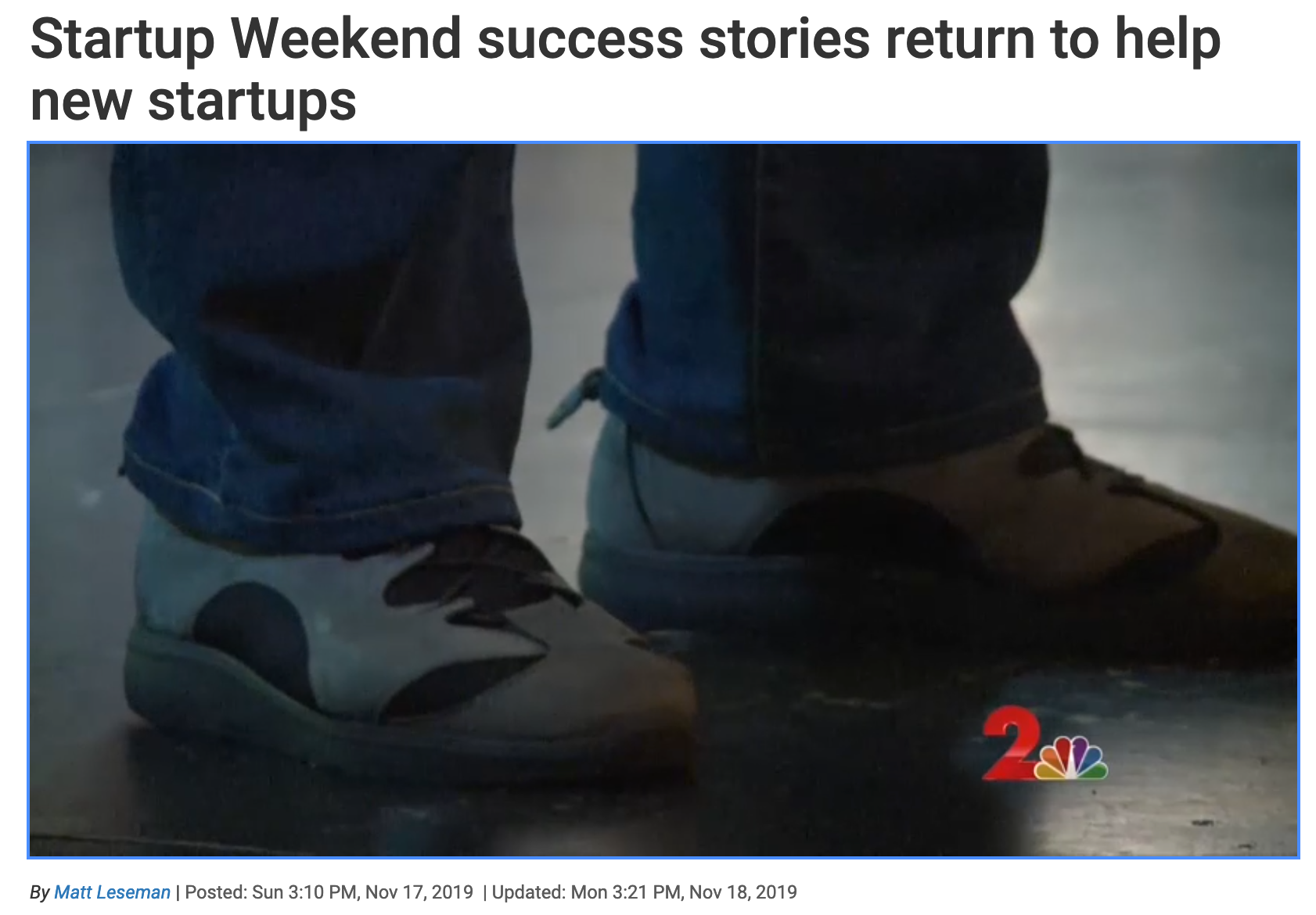
ANCHORAGE (KTUU) - Getting a business idea off the ground and turning it into a successful product is no easy task, but one Alaskan company, Pandere Shoes, was able to do just that. They started by identifying a problem. “I've had difficulty finding shoes to fit my feet for the last 40 years, because I have a medical condition called lymphedema, so one foot is chronically swollen," said Pandere CEO Laura Oden.
How to Keep Retired Feet Happy

Insights & Stories

How to Keep Retired Feet Happy

on Nov 19, 2019
Now that you have finally reached the long-awaited milestone of retirement, nothing stands between you and everything you never had enough free time for – travel, golf, gardening, maybe even ballroom dancing. Nothing, that is, except your tired, aching feet. Foot problems are a common complaint among retirees. Like every other part of the body, our feet suffer from the effects of aging too:
Pandere (Latin) – To Stretch, Expand or Unfold

Insights & Stories

Pandere (Latin) – To Stretch, Expand or Unfold

on Oct 30, 2019
When we began working on a concept for stylish, expandable shoes in 2016, we knew we needed the perfect name – one that would capture both the unique qualities of our product and our mission to give people their mobility and dignity back. Over the next two years, as we worked on our first prototype, we talked with hundreds of women across the country who were fed up with being forgotten by the shoe industry. Our co-founder Laura Oden understood the frustration. Laura has had lymphedema for 40 years and had always struggled to find shoes that fit.
Do I Need Wide Shoes?

Insights & Stories

Do I Need Wide Shoes?

on Oct 24, 2019
Do you feel like you’re trying to force a round peg into a triangular-shaped hole when you slip your shoes on every morning? Are your feet discolored or do they have indentations from your shoes when you finally take them off at the end of a long day? Even if you don’t think of your feet as wide, you might need wide shoes.
The Lymphie Life Review

Insights & Stories

The Lymphie Life Review

on Oct 11, 2019
Like many others living with lower limb lymphedema, I struggle when it comes to footwear. Most of my swelling is in my right foot and ankle, so finding a shoe that comfortably fits is a challenge. And finding a shoe that’s stylish, too? Forget it. I’m always on the lookout for lymphie-friendly footwear, so when my friends at Pandere reached out to me asking if I’d be interested in trying their latest style on for size, I was ecstatic.
LivingBetter50

Insights & Stories

LivingBetter50

on Oct 04, 2019
The Foot Freedom Almanac’s Guide to Buying Shoes for Wide Feet As much as 72 percent of people don’t wear shoes that are wide enough or long enough for their feet. The same 2018 study, published in the Journal of Foot and Ankle Research, found substantial evidence demonstrating that ill-fitting shoes are associated with foot pain and a number of foot disorders. Do you have wide feet?
Life Part 2 Review

Insights & Stories

Life Part 2 Review

on Sep 30, 2019
I’m not sure if Jonathan and I just have really big feet or we just keep moving to countries where people have tiny feet. Whatever the reason, buying shoes is always a nightmare. When our new friends from Pandere Shoes contacted us and said, ‘Hey, we have a new range of shoes perfect for travelling. Want to try them?’ We didn’t need to be asked twice. Um, but we did wonder if they cater for size enormous feet.
7 Ways to Treat Your Feet During Pregnancy

Insights & Stories

7 Ways to Treat Your Feet During Pregnancy

on Aug 26, 2019
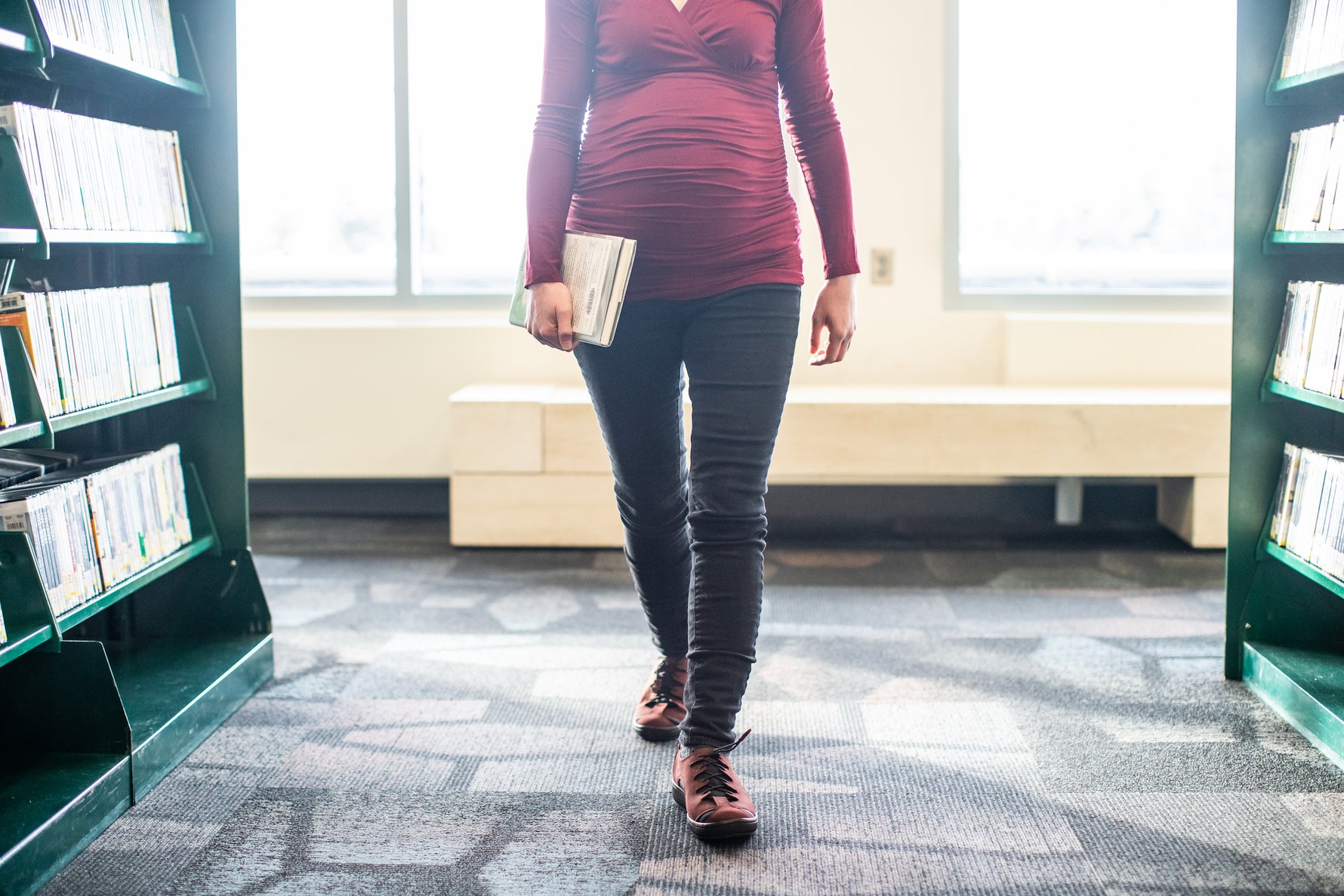
Finding comfort during pregnancy isn’t always easy, but soothing tired feet is. Here are 7 ways to treat those tired feet - because a relaxed mama means a relaxed baby!
Baby Boomster blog feature - August 14, 2019

Insights & Stories

Baby Boomster blog feature - August 14, 2019

on Aug 15, 2019
When Pandere offered to send me samples of their expandable shoes, I was thrilled because, as a woman over 50, my feet have become more uncomfortable with age. Aching arches, sore heels, and occasional swelling are all part of growing older. I want comfortable shoes that fit and adjust to whatever my feet decide to torture me within any given day. But, as a woman who doesn’t want to look like a clodhopper in “granny” shoes, it’s always exciting when you can find expandable shoes that don’t look ugly and are stylish as well. Read the post here.
Five Shoe Features You Need If You Have Wide Feet

Insights & Stories

Five Shoe Features You Need If You Have Wide Feet

on Aug 01, 2019
It’s important for anyone to wear shoes that fit well, but for those of us with wide feet, this can be a tall order. If you have wide feet, we’ve got you covered. Here are five shoe features to look for when shopping for shoes:
Shopping for the Real You blog - April 11, 2019

Insights & Stories

Shopping for the Real You blog - April 11, 2019

on Apr 11, 2019
And then I found this company, Pandere. This is the shoe for the egalitarian, utilitarian, hipster in you. And they look very comfortable. Read the post here.
Meet the Team

Insights & Stories

Meet the Team

on Nov 01, 2018
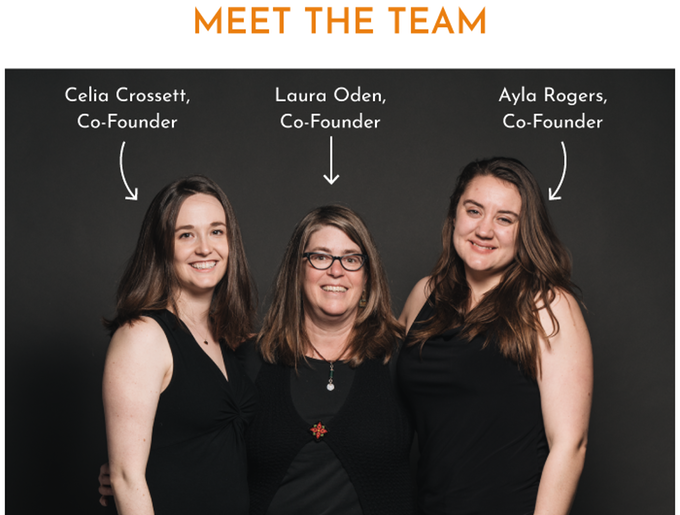
Laura Oden, co-founder of Pandere, has had lymphedema for 35 years. She is a healthcare business planner by day and a singer-songwriter by night. Celia Crosset, co-founder of Pandere, holds two and a half Master's degrees. She is a healthcare business planner by day and a competitive weightlifter by night.  Ayla Rogers, co-founder of Pandere, is an entrepreneur and real estate licensee by day and an investment strategist by night.

Insights & Stories

GeekWire - Sept. 28, 2018

on Sep 28, 2018
Geekwire featured the Ready Set Raise accelerator program of the Female Founders Alliance where Pandere Shoes was a participant. Pandere Shoes (Anchorage, AK): Expandable shoes for people with foot and health challenges. Laura Oden has lymphedema, which causes swelling in her feet and prevents her from fitting into regular shoes. As a long-time entrepreneur, she decided to create a more comfortable solution for herself and the 43 million people who also suffer from the same problem. The result is Pandere, which makes shoes that expand in toebox, midfoot and around the ankles. The company has pre-sold 250 pairs and has another 10,000 interested customers in its product, which is made in Portugal. Inside the inaugural Female Founders Alliance accelerator: Eight startups, one hope for the future

Insights & Stories

Tech Crunch - Sept. 12, 2018

on Sep 12, 2018
Ready, Set, Raise is a new accelerator built for women by women
Anchorage Daily News

Insights & Stories

Anchorage Daily News

on May 29, 2018
Report: Alaska’s recession doesn’t seem to have dampened startup activity